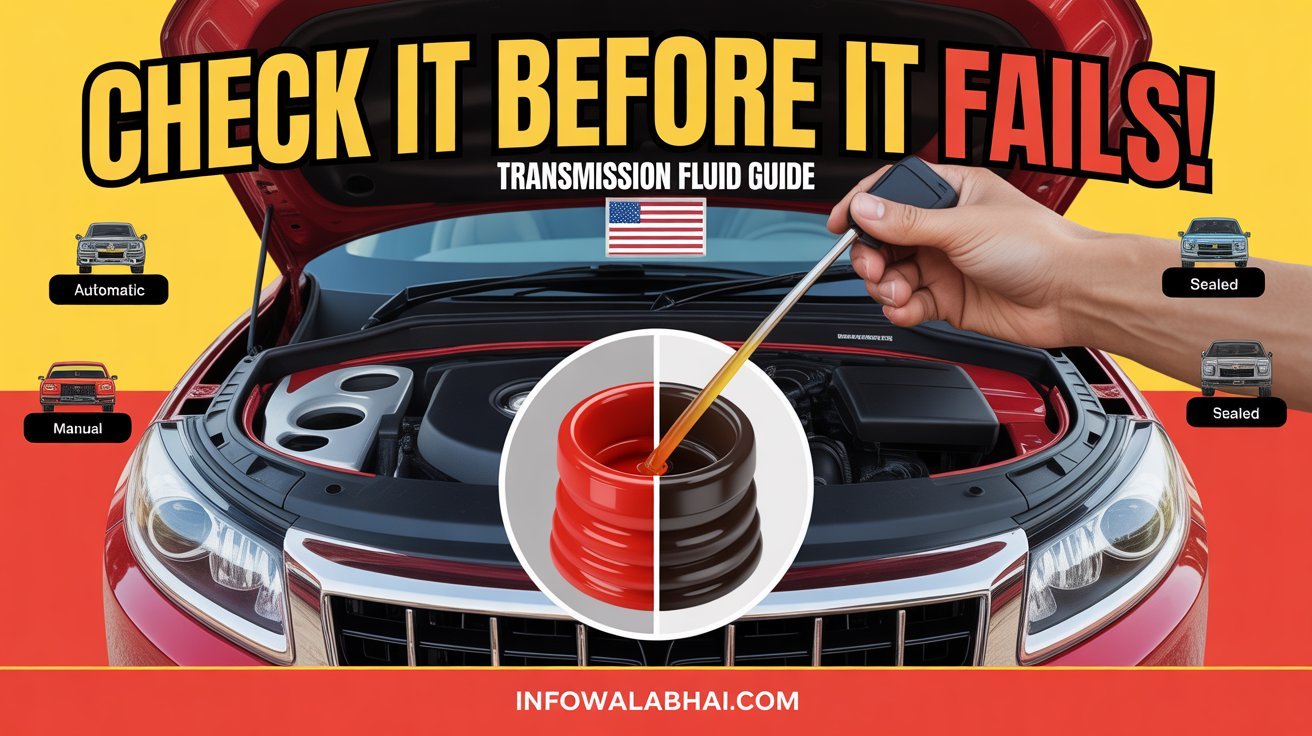
How to Check Transmission Fluid (Automatic, Manual & Sealed)
Knowing how to check transmission fluid can save you thousands of dollars in repairs. Whether you drive a Ford F-150, Toyota Camry, Chevrolet Silverado, Honda Accord, or a fleet vehicle, proper transmission fluid levels are critical for smooth shifting and long-term reliability.
Low, dirty, or burnt fluid can lead to gear slipping, overheating, or even complete transmission failure. In the U.S., a transmission rebuild can cost between $2,500 and $6,000+, so routine checks are one of the smartest preventive maintenance steps you can take.
This guide explains:
- What transmission fluid does
- How to check automatic, manual, and sealed transmissions
- What fluid color and smell mean
- When to service or replace fluid
- U.S. cost estimates
- When to visit a transmission shop near you
What Is Transmission Fluid and Why It Matters
Transmission fluid—often called ATF (Automatic Transmission Fluid)—lubricates moving parts inside the transmission. It also:
- Provides hydraulic pressure for gear shifts
- Cools internal components
- Protects seals and clutch packs
- Prevents metal-to-metal wear
In automatic transmissions, the fluid works with the torque converter and Transmission Control Module (TCM) to ensure smooth gear engagement. In manual gearboxes, gear oil lubricates gears and bearings.
Different manufacturers require specific fluid types based on OEM specifications, such as:
- Dexron (commonly associated with General Motors vehicles)
- Mercon (used in many Ford models)
- Manufacturer-specific synthetic ATF blends
Using the wrong fluid can cause shifting issues or internal damage.
How to Check Automatic Transmission Fluid
Most traditional automatic transmissions have a dipstick. However, many modern vehicles use sealed systems (covered later).
Step-by-Step Procedure
- Park on Level Ground
Always check fluid on a flat surface for an accurate reading. - Warm the Engine
Most vehicles require checking fluid while warm. Drive 5–10 minutes first. - Engage Parking Brake
Keep the engine running unless your owner’s manual says otherwise. - Locate the Transmission Dipstick
It’s usually labeled “Transmission” or “ATF,” often near the back of the engine bay. - Remove and Wipe the Dipstick
Use a clean, lint-free cloth. - Reinsert Fully, Then Remove Again
This second reading shows the accurate level. - Check Fluid Level
It should fall between the “Full” and “Add” marks (often labeled “Hot”). - Inspect Fluid Condition
Look at color and smell (see chart below).
Is Transmission Fluid Checked While Running?
In most automatic vehicles, yes. The engine must be running and warm. Always confirm in your owner’s manual.
How to Check Manual Transmission Fluid
Manual transmissions usually do not have a dipstick. Instead, fluid is checked through a fill plug.
What You’ll Need
- Jack stands (never rely on a jack alone)
- Socket wrench
- Gloves
- Flashlight
Steps
- Safely raise and secure the vehicle.
- Locate the fill plug on the side of the transmission case.
- Remove the plug using a socket wrench.
- Fluid should be level with the bottom edge of the hole.
If fluid does not reach the opening, it may be low.
Manual gear oil is thicker than ATF and typically darker in appearance.
How to Check a Sealed Transmission (No Dipstick)
Many modern vehicles from brands like Ford, Toyota, Honda, and Chevrolet use sealed transmissions. These systems:
- Do not have a dipstick
- Require specific fluid temperature
- Often need a scan tool to verify level
Checking sealed transmissions typically involves:
- Lifting the vehicle
- Removing a check bolt
- Monitoring temperature using an OBD-II scanner
Because of the precision required, many owners choose a dealership service department or certified transmission repair shop.
Transmission Fluid Color Guide
| Color / Condition | What It Means | Recommended Action |
|---|---|---|
| Bright red / pink | Healthy fluid | No action needed |
| Dark red | Aging | Monitor closely |
| Brown | Oxidized | Plan fluid change |
| Black | Burnt | Immediate service |
| Milky | Coolant contamination | Professional repair required |
Burnt Smell?
If it smells like burnt toast, overheating likely occurred. This can damage clutch packs inside the transmission.
What Happens If Transmission Fluid Is Low?
Low transmission fluid can cause:
- Gear slipping
- Delayed shifting
- Hard gear engagement
- Transmission overheating
- Check engine light
Driving with low fluid can lead to severe internal damage.
When Should You Check Transmission Fluid?
- Every oil change
- Before long road trips
- When towing heavy loads (common for trucks like Silverado or F-150)
- If you notice shifting problems
In hot states like Arizona or Texas, overheating risk increases. In cold climates like Minnesota, fluid thickening can affect performance during winter.
Always follow manufacturer service intervals.
How to Add Transmission Fluid Properly
If your vehicle has a dipstick:
- Insert a funnel into the dipstick tube.
- Add small amounts at a time.
- Recheck after each addition.
Overfilling can cause fluid foaming, pressure issues, and transmission damage.
Transmission Flush vs Drain: What’s the Difference?
| Service Type | What It Does | Cost (USA) |
|---|---|---|
| Drain & Fill | Replaces portion of fluid | $120–$300 |
| Flush | Replaces nearly all fluid | $150–$400 |
| Rebuild | Replaces damaged components | $2,500–$6,000+ |
Some high-mileage vehicles may not benefit from a flush. Always consult service guidelines.
DIY or Visit a Transmission Shop?
DIY If:
- You have a dipstick
- No signs of leaks
- Only topping off fluid
Visit a Professional If:
- Sealed transmission
- Burnt fluid
- Grinding noises
- Fluid contamination
- Warning lights
Search terms like “transmission repair near me” or “automatic transmission repair in California” will show local providers, including quick-lube chains, auto repair garages, and dealership service departments.
Fleet operators often work with fleet maintenance services to reduce downtime.
Common Mistakes to Avoid
- Checking fluid on uneven ground
- Using the wrong ATF type
- Overfilling
- Ignoring burnt smell
- Not tightening the fill plug properly
- Failing to dispose of used fluid properly
Used transmission fluid must be disposed of according to EPA disposal guidelines. Many auto parts stores accept used fluids for recycling.
Risk Matrix: Low vs Overfilled Transmission Fluid
| Condition | Risk Level | Consequence |
|---|---|---|
| Slightly Low | Moderate | Slipping gears |
| Severely Low | High | Internal damage |
| Slightly Overfilled | Moderate | Foaming |
| Severely Overfilled | High | Seal failure |
Fleet & Heavy-Duty Considerations
Fleet vehicles, delivery vans, and trucks operating long highway routes should have more frequent inspections. Towing heavy loads increases transmission heat.
Installing an auxiliary transmission cooler can help in high-load environments.
How Long Does Transmission Fluid Last?
Most vehicles require fluid service between 30,000 and 60,000 miles, though some manufacturers advertise longer intervals.
Driving habits matter:
- Frequent towing = shorter interval
- Stop-and-go traffic = increased wear
- Highway driving = longer lifespan
Always confirm your specific model’s requirements.
Frequently Asked Questions
1. Do you check transmission fluid while the car is running?
Yes, most automatic vehicles require the engine running and warmed up. Always verify in your owner’s manual.
2. Can I check transmission fluid cold?
Some vehicles allow cold checks, but most require warm fluid for accurate measurement.
3. Why is my transmission fluid brown?
Brown fluid indicates oxidation and aging. It may be time for a fluid change.
4. Can you drive with low transmission fluid?
It’s not recommended. Low fluid can cause overheating and severe internal damage.
5. Why doesn’t my car have a transmission dipstick?
Many newer vehicles use sealed transmissions that require professional service tools.
6. How much does transmission fluid service cost in the U.S.?
Expect $120–$300 for a drain and fill, $150–$400 for a flush, and much more for repairs.
7. What type of transmission fluid should I use?
Only use fluid that meets your manufacturer’s OEM specification (such as Dexron or Mercon where required).
8. How do I know if transmission fluid is burnt?
It will appear dark brown or black and smell burnt. Immediate inspection is recommended.
Conclusion
Checking transmission fluid is a simple maintenance step that protects one of the most expensive components in your vehicle.
To recap:
- Check fluid regularly
- Follow manufacturer specifications
- Inspect color and smell
- Avoid overfilling
- Seek professional help for sealed systems or warning signs
Whether you’re a DIY driver, used car buyer, fleet operator, or everyday commuter, staying proactive can prevent major repair bills and keep your vehicle shifting smoothly for years.
Discover more practical how-to guides and helpful tips by exploring our related articles.