An engagement ring should reflect your relationship, personal style, and priorities—not just your budget. Today, couples shopping for custom gemstone engagement rings can choose between naturally mined gemstones and lab-grown alternatives, with options ranging from vivid emerald center stones to elegant aquamarine designs paired with handcrafted diamond bands.
The decision involves more than appearance. Gemstone origin, color, clarity, durability, metal quality, certification, and long-term ownership costs all deserve careful consideration. Whether you plan to buy emerald rings online, compare premium sapphire settings, or explore luxury bridal jewelry in platinum and gold, this buyer guide will help you make a confident, informed purchase.
1. How to Choose High-Quality Gemstone Engagement Rings
A beautiful engagement ring combines a well-selected gemstone with precise cutting, secure craftsmanship, and a setting designed for everyday wear. Understanding these features makes it easier to compare luxury jewelry collections.
Color: Choosing the Right Gemstone
Color often defines the character of a gemstone engagement ring. The best choice depends on the recipient’s preferences, wardrobe, and willingness to maintain a particular stone.
Popular options include:
- Emerald: Rich green emeralds create a distinctive, sophisticated look. Both natural and lab-grown emeralds are available, but emeralds can contain inclusions and may require additional care.
- Ruby: A vivid red ruby offers a traditional symbol of passion and commitment. Natural rubies with desirable color and clarity can command premium prices.
- Tanzanite: Blue-violet tanzanite appeals to buyers who prefer an unusual center stone. Its relative sensitivity to impact makes the setting and wearing habits especially important.
- Aquamarine: Pale blue aquamarine delivers an understated, elegant appearance. It works particularly well in white gold and platinum-inspired designs.
- Sapphire: Available in blue, pink, yellow, and other colors, sapphire is a versatile option for couples seeking a colorful engagement ring suitable for regular wear.
Examine gemstones in different lighting conditions when possible. Online photographs can be useful, but request additional images or videos if color consistency is important to your decision.
Cut and Clarity: Understanding Gemstone Quality
The cut determines a gemstone’s proportions, symmetry, and ability to interact with light. Oval, round, cushion, pear, and emerald cuts each create a different visual effect.
A well-cut stone should look balanced, with attractive color distribution and no obvious asymmetry. Carat weight alone does not establish quality, and two gemstones of identical weight may differ considerably in appearance.
A practical gemstone clarity guide starts with the stone’s variety:
- Emeralds: Natural inclusions are common, so focus on overall appearance, transparency, and structural integrity.
- Rubies and sapphires: Assess visible inclusions, color zoning, and transparency.
- Aquamarines: Many attractive examples have good transparency and relatively few visible inclusions.
- Lab-grown gemstones: These can also contain inclusions or growth characteristics, so they should be evaluated rather than automatically assumed flawless.
For an engagement ring, prioritize a gemstone that looks attractive to the eye and is suitable for its intended setting.
Metal Selection: Platinum vs. 14K and 18K Gold
The metal affects durability, maintenance, comfort, and the ring’s overall appearance.
Platinum engagement bands appeal to buyers seeking a naturally white precious metal with a substantial feel. Platinum is generally well suited to fine jewelry, although its surface develops scratches with wear and may require professional maintenance.
Other options include:
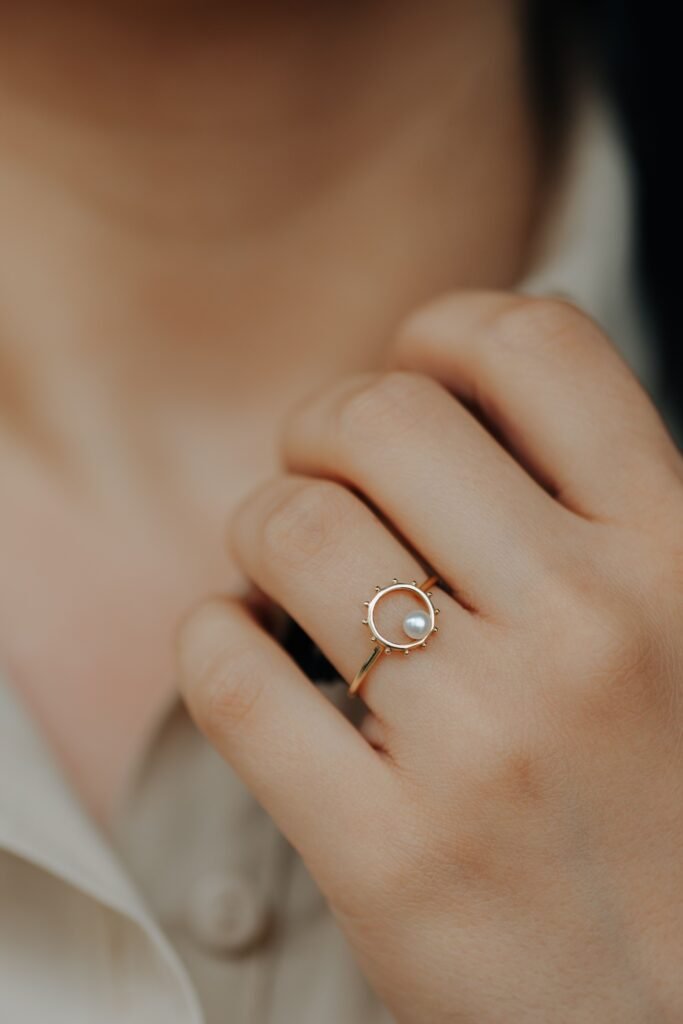
- 14K gold: A practical choice for frequent wear, offering a balance of gold content and durability.
- 18K gold: Provides a higher gold content and a luxurious finish in yellow, white, or rose gold.
- Yellow gold: Creates a warm contrast with emeralds and rubies.
- White gold: Complements aquamarine, sapphire, and diamond accents.
Ask the jeweler about alloy composition, setting construction, resizing, and maintenance before choosing a metal.
2. Trending Gemstone Engagement Rings and Luxury Bridal Jewelry
Colorful engagement rings offer a personal alternative to traditional diamond solitaires. Buyers can select a distinctive center stone while retaining classic details such as diamond side stones, pavé accents, and finely finished bands.
Emerald Engagement Rings: A Refined Statement
Emerald engagement rings are especially appealing to couples who appreciate saturated green color and vintage-inspired designs. An emerald-cut center stone in yellow gold creates a classic appearance, while an oval emerald surrounded by diamonds can feel more contemporary.
Before purchasing, check whether the emerald is natural or lab-grown and whether it has undergone oiling, resin filling, or other clarity treatments. These disclosures matter because treatments can influence durability, cleaning requirements, and market value.
If you intend to buy emerald rings online, compare the gemstone’s dimensions, treatment history, setting details, and return policy rather than relying solely on the advertised carat weight.
Ruby, Tanzanite, and Aquamarine Designs
Each gemstone offers a different approach to bridal style.
- Ruby engagement rings: Ideal for buyers who want a striking center stone with a rich red appearance.
- Tanzanite rings: Suit couples seeking a blue-violet gemstone with a distinctive look, although extra care is advisable for everyday wear.
- Aquamarine engagement rings: Offer a light, graceful alternative to darker gemstones and pair beautifully with white metals.
- Sapphire rings: Provide a versatile combination of color, durability, and traditional engagement-ring styling.
For a coordinated bridal set, consider matching the center stone with wedding bands, anniversary jewelry, or complementary earrings. A consistent metal color can create a cohesive look without requiring every piece to feature the same gemstone.
Handcrafted Diamond Bands and Custom Designs
Handcrafted diamond bands can elevate a gemstone engagement ring without distracting from the center stone. Small diamonds along the shoulders, a delicate pavé setting, or a simple diamond wedding band can add sparkle while preserving the gemstone’s visual prominence.
Custom designs are particularly useful when you want a specific gemstone shape, unusual setting, engraved initials, or a combination of colored stones and diamonds.
Before approving a bespoke design, request an itemized quotation covering the center stone, accent diamonds, metal weight, craftsmanship, resizing, and delivery. Confirm the expected production timeline and whether a deposit is refundable if the design changes.
3. Natural vs. Lab-Grown Gemstone Engagement Rings
Natural and lab-grown gemstones can share the same essential chemical composition and crystal structure when comparing the same gemstone variety. Their main distinction is origin: one forms naturally through geological processes, while the other is produced in a controlled laboratory environment.
Natural Gemstones: Rarity and Geological Origin
Natural gemstones appeal to buyers who value the history and geological formation of a mined stone. Some natural emeralds, rubies, and sapphires are rare, particularly when they combine exceptional color, desirable clarity, and limited treatment.
However, natural origin does not automatically mean higher quality. A heavily included natural gemstone may be less visually appealing than a well-cut lab-grown alternative.
Choose natural stones when origin, rarity, and the individuality of a mined gemstone are central to your purchase. Request clear disclosures about treatments and supporting documentation where available.
Lab-Grown Gemstones: Design Flexibility and Value
Lab-grown gemstones are created using controlled processes and can provide a visually attractive alternative at a lower price than comparable natural stones in many cases.
Potential advantages include:
- More flexibility when selecting gemstone size within a budget.
- Access to a wide range of colors and contemporary designs.
- Opportunities to allocate more of the budget to craftsmanship or precious-metal settings.
- Options for custom jewelry without paying a premium for natural rarity.
Lab-grown gemstones are not the same as imitations. Nevertheless, they should be accurately identified and disclosed by the seller. Their resale markets and pricing can differ substantially from those of natural stones.
Which Option Offers Better Long-Term Value?
There is no universal winner. The right choice depends on your priorities and how you define value.
| Buying consideration | Natural gemstone | Lab-grown gemstone |
|---|---|---|
| Origin | Formed naturally | Created in a laboratory |
| Typical purchase price | Often higher for comparable premium examples | Often more affordable |
| Appearance | Depends on quality and treatment | Depends on quality and production characteristics |
| Rarity | Can be scarce, depending on variety and quality | Generally more readily produced |
| Resale prospects | Depend on quality, origin, treatment, and market demand | Often face different resale dynamics and lower secondary-market prices |
Neither category guarantees appreciation. Buy an engagement ring primarily for its meaning, craftsmanship, and enjoyment rather than assuming it will become a profitable investment.
4. How to Verify Gemstone Authenticity and Care for Fine Jewelry
A premium jewelry purchase should come with clear product information, transparent treatment disclosures, and reliable after-sales support.
Gemstone Reports and Retailer Verification
The Gemological Institute of America (GIA) is a recognized gemological organization that issues grading and identification reports for eligible gemstones. Although shoppers frequently use the phrase GIA-certified gemstones, the more precise description is usually a GIA report or grading report.
Not every gemstone comes with a GIA report, and other reputable laboratories also provide gemological services. What matters is that the documentation accurately identifies the specific stone and supports the seller’s claims.
Before purchasing:
- Confirm gemstone origin. Verify whether the stone is natural or laboratory-grown.
- Review treatment disclosures. Ask about heat treatment, oiling, fracture filling, or other enhancements where relevant.
- Check the report. Compare the gemstone’s identifying details with the laboratory documentation and verify the report through the issuing laboratory when possible.
- Research the retailer. Review independent customer feedback, contact information, warranty terms, and return conditions.
- Request written specifications. Retain the invoice, gemstone details, and any appraisal or insurance documentation.
Fine jewelry platforms such as Angara Jewelry offer gemstone-focused collections that can serve as a starting point for comparing styles, gemstone options, and customization features. Check the specifications and policies of the individual product rather than assuming all listings include the same documentation or services.
Fine Jewelry Care for Engagement Rings
Even a durable gemstone can be damaged by impact, unsuitable cleaning methods, or a weakened setting.
Follow these practical care guidelines:
- Remove rings during heavy lifting, gardening, and activities that may expose the gemstone to impact.
- Clean jewelry with lukewarm water, mild soap, and a soft brush only when appropriate for the gemstone and its treatments.
- Avoid ultrasonic cleaners and steam cleaning for emeralds and other stones with potentially vulnerable inclusions or treatments.
- Keep jewelry away from harsh household chemicals and chlorine.
- Store each piece separately to reduce scratches and accidental damage.
- Arrange periodic professional inspections to check prongs, clasps, and loose stones.
Sapphires and rubies are generally well suited to frequent wear, while emeralds and tanzanite usually require more careful handling. Follow the jeweler’s specific maintenance instructions for your ring.
5. Buying Custom Gemstone Engagement Rings Online
Shopping online can provide access to more designs, gemstones, and customization choices than a single physical showroom. However, a polished product photograph should never replace detailed specifications and clear purchase terms.
Use this checklist before ordering:
- Compare gemstone dimensions, color, cut, clarity, and treatments.
- Confirm whether the center stone is natural or lab-grown.
- Review the metal type, purity, and setting design.
- Check ring sizing, resizing charges, and custom-order restrictions.
- Confirm shipping insurance, delivery timelines, and applicable taxes or import duties.
- Review the return window, warranty, and repair services.
- Ask for an itemized invoice and retain all supporting documents.
For US, UK, and Canadian buyers ordering internationally, currency conversion, customs charges, and return shipping can affect the final cost. Confirm these details before paying a deposit or placing a custom order.
Final Thoughts: Choose an Engagement Ring with Confidence
The best gemstone engagement ring combines personal significance with dependable craftsmanship and a gemstone suited to the wearer’s lifestyle. Whether you prefer natural emeralds, lab-grown sapphires, ruby center stones, or aquamarine designs with handcrafted diamond bands, understanding the differences helps you shop with greater confidence.
Compare origin, quality, treatments, precious-metal options, and retailer protections before making your decision. Explore reputable fine jewelry collections, request transparent gemstone documentation, and choose a custom engagement ring that reflects your relationship and deserves to be treasured for years to come.